A fixed solution
for a missing tooth.
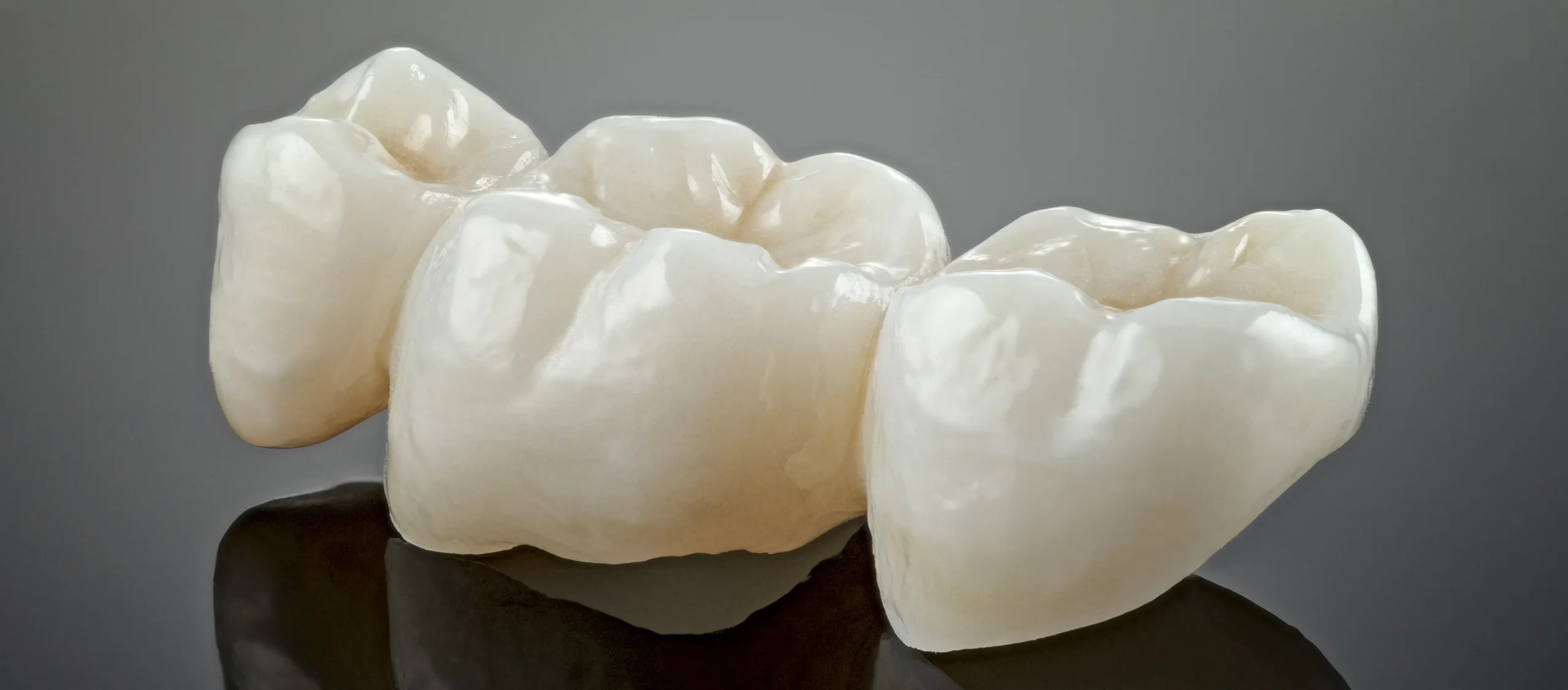
A dental bridge is a fixed restoration used to replace one or more missing teeth. It consists of one or more artificial teeth, known as pontics, which are held in place by crowns fitted over the natural teeth on either side of the gap. The result is a seamless, fixed replacement that looks, feels, and functions like a natural tooth.
Unlike dentures, a bridge is permanently bonded in place and does not need to be removed for cleaning. It restores the ability to bite and chew normally, prevents the remaining teeth from drifting into the gap, and maintains the natural contours of your face. Each bridge is individually made in a dental laboratory to match the shade, shape, and size of your existing teeth as closely as possible.
A bridge does not just fill a gap. It restores balance, function, and confidence to your whole smile.
Book a consultation →A fixed solution
with lasting results.
A dental bridge offers a stable, fixed alternative to dentures for patients who are missing one or more teeth. It restores appearance and function immediately, without the need for surgery or a lengthy healing period.
Fixed in place, permanently
Unlike a denture, a bridge is permanently bonded in place and does not need to be removed for cleaning or soaking overnight. It stays where it is, functions like a natural tooth, and requires no adhesives or special routines. For most patients, a well-fitted bridge quickly becomes indistinguishable from the rest of their teeth in everyday life.
Prevents teeth from drifting
When a tooth is lost and not replaced, the surrounding teeth gradually drift into the gap over time. This can affect your bite, create new spaces that are difficult to clean, and cause problems with adjacent and opposing teeth. A bridge fills the gap immediately, maintaining the position and alignment of the teeth on either side.
Restores bite and function
A missing tooth affects how you bite and chew, often causing you to favour one side of your mouth without realising it. Over time this can lead to uneven wear and strain on the remaining teeth. A bridge restores the full biting surface, distributing chewing forces evenly and allowing you to eat comfortably and confidently again.
Looks completely natural
Each bridge is individually crafted in a dental laboratory to match the shade, shape, and proportion of your surrounding teeth. The false tooth sits naturally in the gap, supported by crowns on the adjacent teeth, with a result that is both aesthetically considered and clinically sound. Most patients find that nobody can tell the difference.
What to expect at
every stage.
A bridge is typically completed across two appointments. Select each step to understand exactly what is involved at every stage of the process.
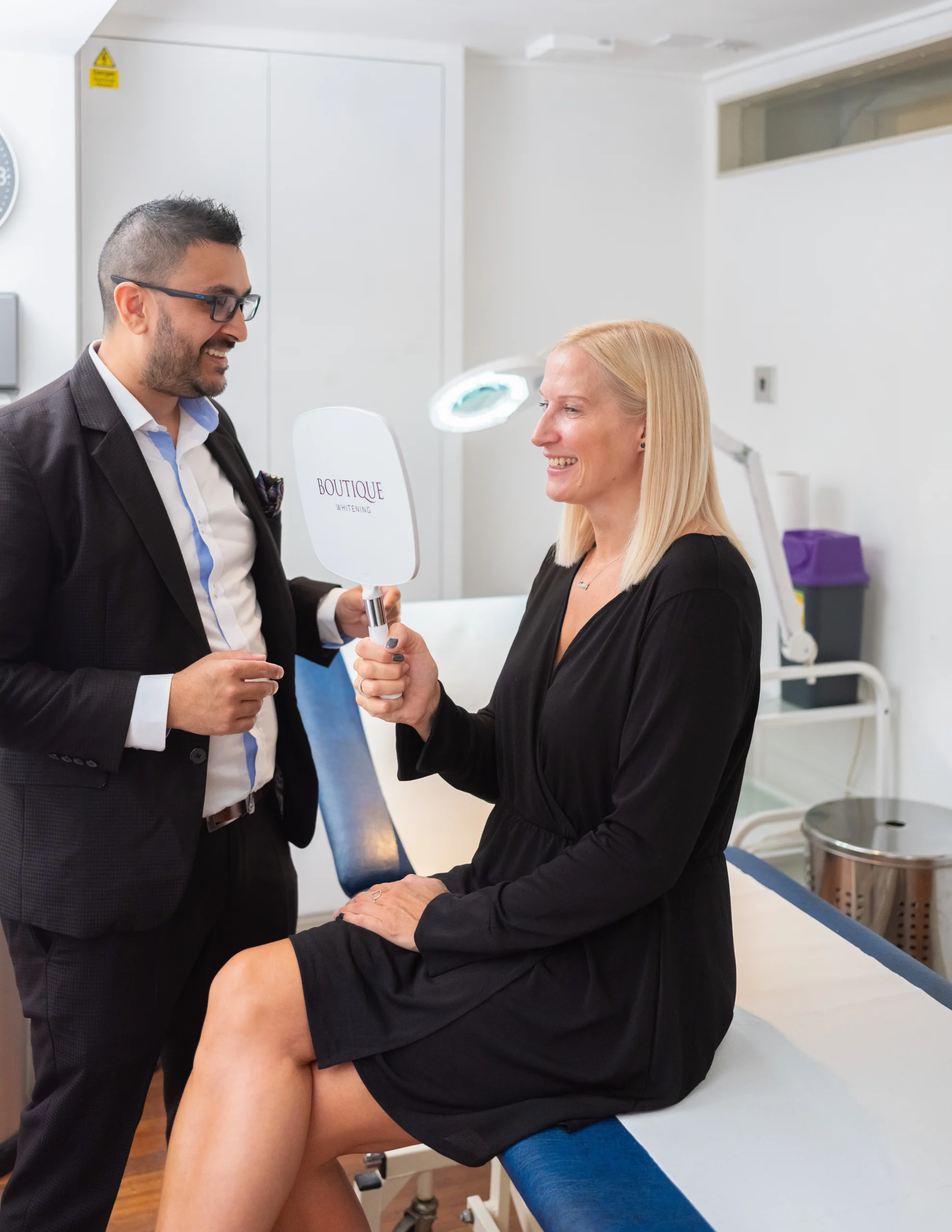
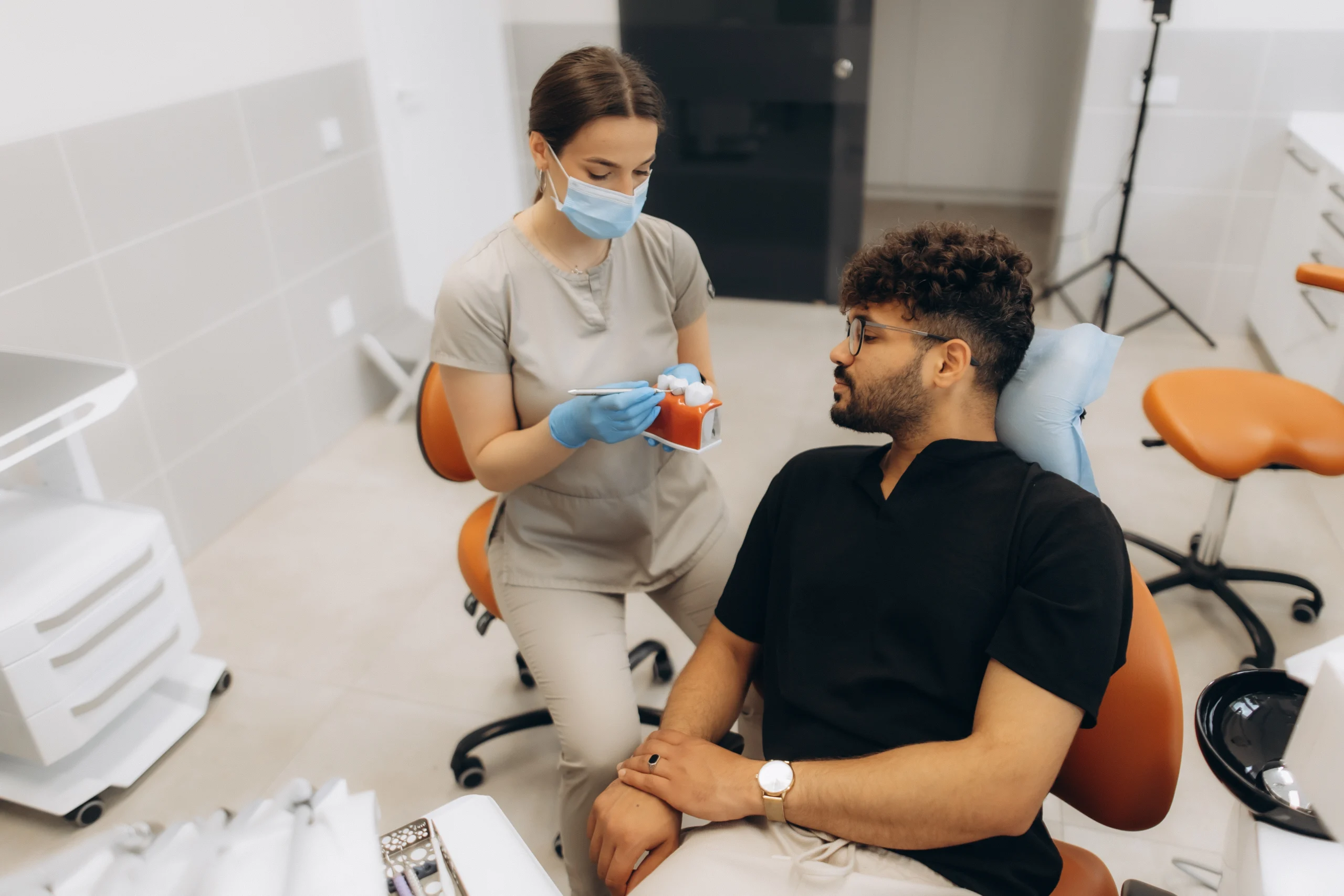
We begin with a thorough assessment of the gap and the teeth on either side. We check the health of the abutment teeth, the condition of the gums, and the overall bite, then discuss whether a bridge is the most appropriate option for your situation. All fees are confirmed before anything proceeds, and there is never any pressure to commit on the day. The £50 consultation fee is fully redeemable against treatment.

A dedicated assessment to confirm a bridge is the right option for your situation and discuss the treatment in full. Fully redeemable against treatment.
Price is per unit and depends on the number of teeth being replaced. Your full written quote is confirmed before any preparation begins. 0% finance available through Tabeo.
Apply for financeAll fees are confirmed in writing before any treatment begins. No surprises, ever.
Full fees page
Keeping it clean,
keeping it lasting.
A dental bridge requires slightly different cleaning habits to natural teeth, particularly in the area beneath the false tooth. Because floss cannot pass between the pontic and the gum in the usual way, a floss threader or interdental brush is needed to clean underneath the bridge effectively. This is the area most susceptible to plaque build-up and, if left uncleaned, can lead to gum problems or decay in the supporting abutment teeth over time.
The crowns that support the bridge should be brushed and cleaned at the gumline just as you would a natural tooth, paying particular attention to the margins where the crown meets the tooth structure beneath. Your bridge is strong and designed to withstand normal biting and chewing, but it is wise to avoid excessively hard or sticky foods that could put unnecessary stress on the restoration.
We demonstrate the best technique for cleaning your bridge at your fitting appointment, so you leave confident in how to care for it.
Things people
often wonder.
Everything you might want to know before your dental bridge consultation. Still have a question? We are always happy to help.
The preparation of the abutment teeth is carried out under local anaesthetic, so you will not feel any discomfort during the procedure. Some mild sensitivity in the days following is normal, particularly around the prepared teeth, and usually settles quickly. Temporary crowns are placed on the day to protect everything while the bridge is being made. Most patients find the process considerably more comfortable than they expected.
With good oral hygiene and regular dental check-ups, a well-fitted bridge can last well over ten years. Longevity is closely linked to how well the area beneath the false tooth is kept clean, as this is where plaque tends to accumulate. We show you the best technique for this at your fitting appointment. The health of the supporting teeth also matters, which is why attending regular check-ups to monitor the bridge is important throughout its lifespan.
Yes. Each bridge is individually crafted by a specialist dental laboratory to match the shade, shape, and proportion of your surrounding teeth as closely as possible. The false tooth is designed to sit naturally in the gap, and the supporting crowns are matched to blend with the teeth on either side. For most patients, the result is completely indistinguishable from their natural teeth.
For most patients with suitable supporting teeth, a bridge offers significant advantages over a partial denture. It is fixed permanently in place, requires no removal or adhesives, and functions far more like a natural tooth in everyday life. It also tends to feel more secure and comfortable. That said, a denture may be the more appropriate choice in some clinical situations, and we always discuss all available options honestly at your consultation.
For a traditional bridge, yes. A small amount of enamel is removed from the teeth on either side of the gap to create space for the crowns that anchor the bridge in place. This is a permanent change to those teeth, which is why we discuss it carefully at your consultation and always consider whether a dental implant might be a more appropriate option for your situation. In some cases a resin-bonded or Maryland bridge can be used, which involves minimal or no preparation of the adjacent teeth. We will advise on which approach is most suitable for you.
Dental bridge
A fixed restoration anchored to the teeth on either side of the gap. No surgery required, completed across two appointments, and a well-established solution for replacing one or more missing teeth.
Book a consultation
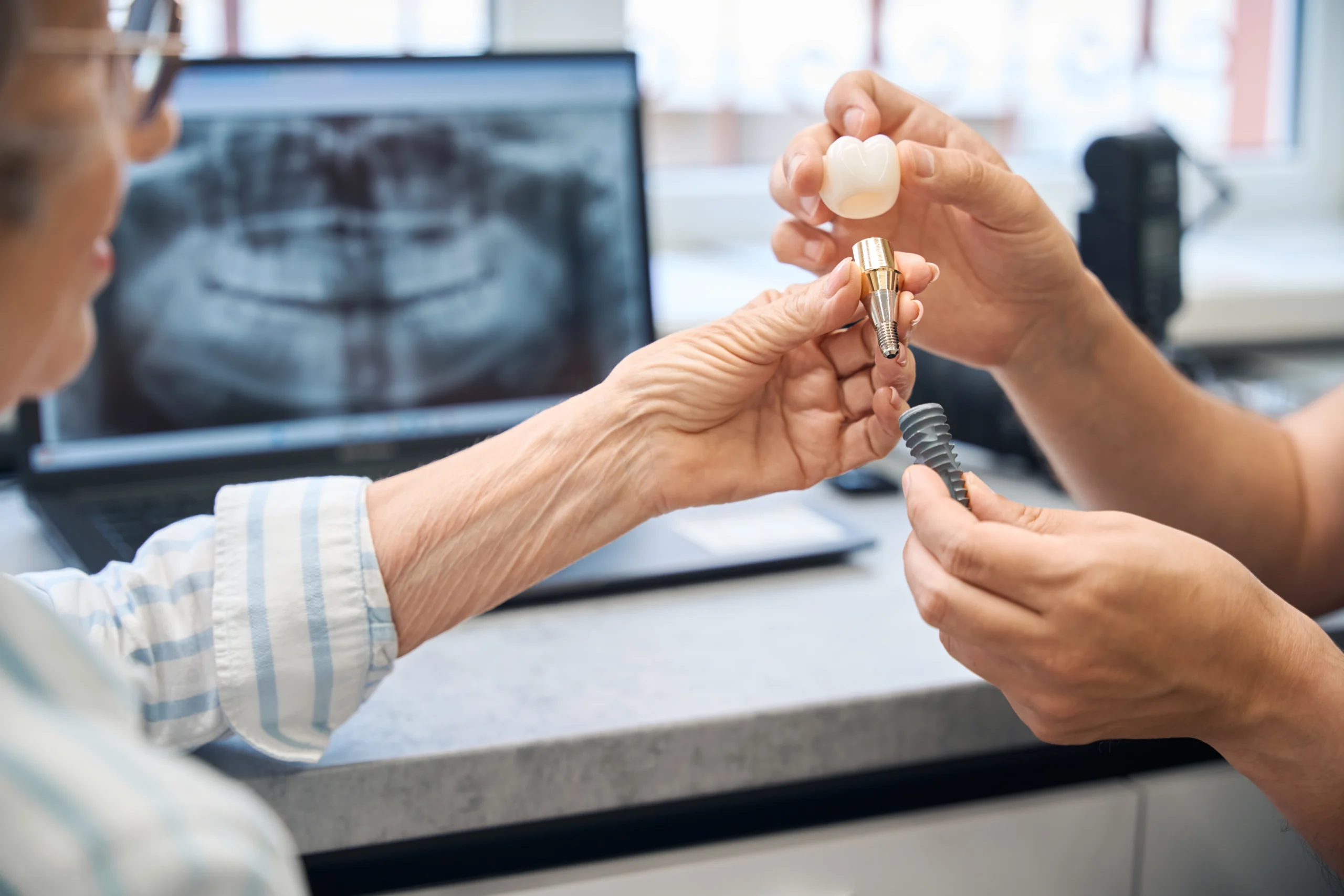
Dental implant
A standalone replacement anchored directly into the jawbone, leaving the adjacent teeth completely untouched. A longer process, but one that preserves the bone and provides the most natural result long term.
Find out moreClose the gap. Restore the smile.
consultation